Help for wet lower levels
Flooded Basement Cleanup in Hagerstown
Tell the pro what happened in your basement. Call (844) 212-8840
Help for wet lower levels
Tell the pro what happened in your basement. Call (844) 212-8840
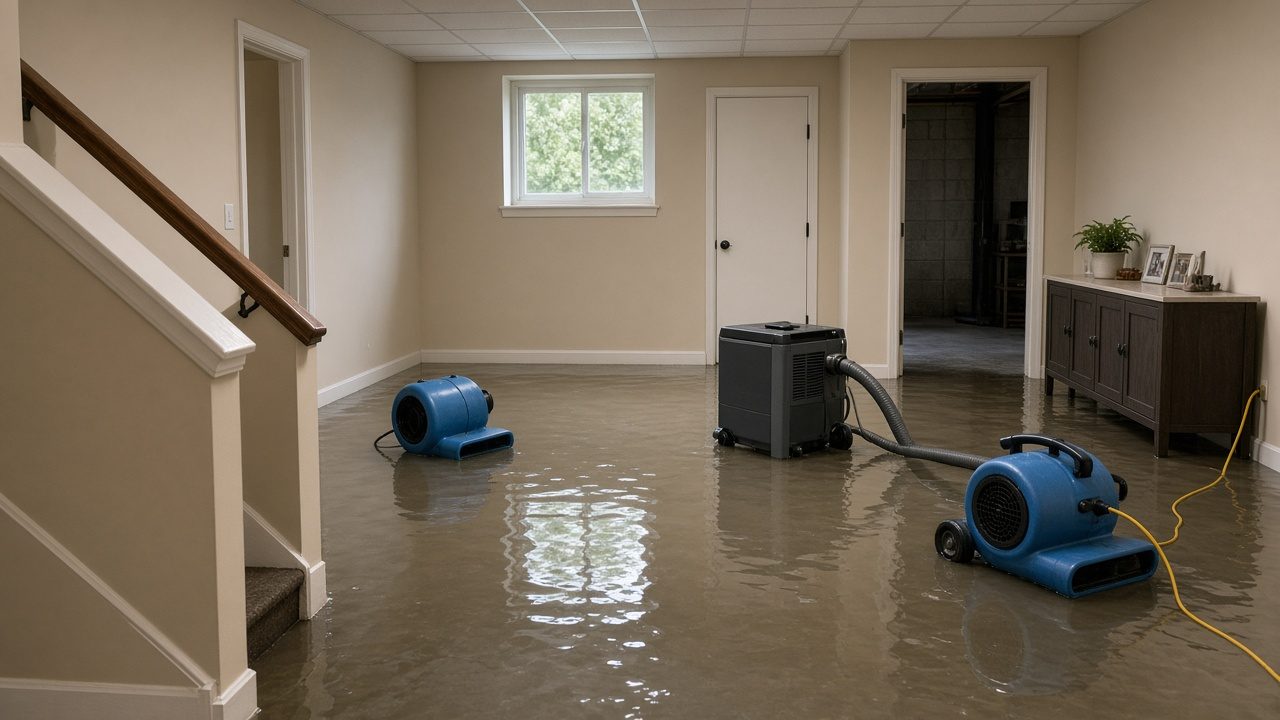
A local pro can help you plan cleanup for a basement affected by a leak, overflow, or flooding. A local pro typically discusses the source, whether water is still entering, the condition of the space, and the belongings or finishes involved. A finished family room and an unfinished storage area call for different conversations, so a local pro does not assume the same scope fits both.
Keep out of floodwater and do not treat clear-looking water as proof that the area is safe. Floodwater can contain harmful contaminants, and water-exposed electrical equipment presents additional concerns. Tell the pro what you can observe from a safe location, then ask about an assessment for your Washington County property.
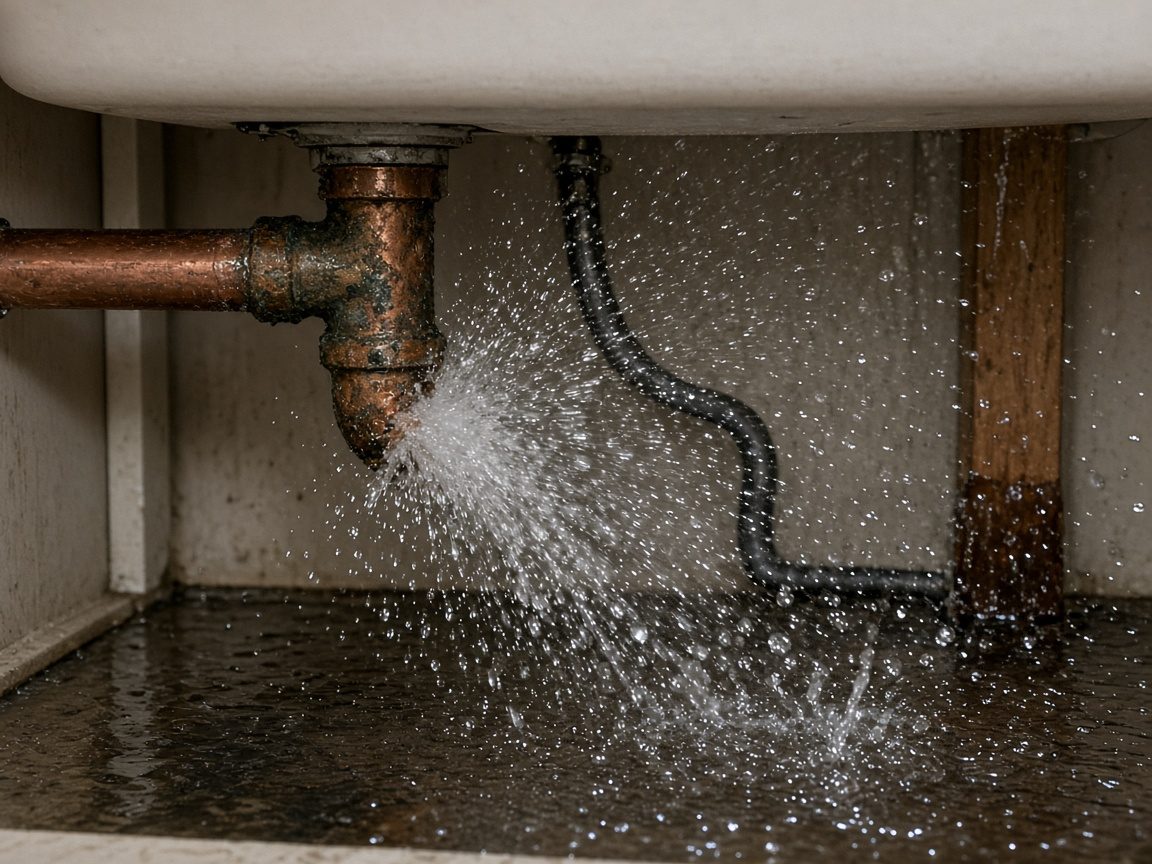
A local pro typically asks whether the problem followed an indoor leak, a sump issue, outside water entry, or another event. An uncertain source is something to investigate, not a reason to guess.
The proposed scope separates basement cleanup from plumbing repairs, sump replacement, drainage improvements, and foundation work. A local pro typically discusses any continuing water entry before presenting the cleanup as a lasting solution.
A local pro typically begins with the history you can provide: when water appeared, whether the level changed, and whether a similar problem has happened before. Tell the pro about a recent repair, an interrupted sump system, or water seen near a doorway or wall. A local pro typically records those observations without assuming they prove the source or replace an investigation by the appropriate trade. For a basement affected by outside flooding, removal requires attention to surrounding water conditions and the structure. FEMA guidance warns against treating every flooded basement as a situation for immediate, unrestricted pumping. A local pro typically discusses whether additional assessment is needed before removal and make any access or scope limitations clear at the start.
Basements often hold items that are difficult to replace emotionally, even when they are not expensive. Tell the pro about photographs, paperwork, tools, seasonal decorations, or furniture that you want considered before handling decisions are made. A local pro typically discusses the condition of the affected items, what work falls within the scope, and where specialist restoration advice may be appropriate. A local pro does not promise that everything can be recovered, and they do not treat every wet item as an automatic disposal decision. The plan should identify what handling is authorized, how items will be separated or moved, and what records are needed. You should understand those arrangements before a room full of belongings is treated as a single cleanup task.
For a finished basement, a local pro typically discusses the walls, flooring, trim, built-ins, and other areas included in the assessment. A local pro typically explains where access is sufficient and where additional investigation may be proposed. That keeps a visible surface review from being mistaken for an examination of every concealed space behind the finishes or beneath the flooring. Any proposed opening or removal should have a stated reason and a clear approval point. A local pro typically explains which work is part of the cleanup, what may require a separate specialist, and what rebuilding would remain afterward. The approach is to make the sequence understandable so a homeowner is not surprised by an unfinished wall or floor after the cleanup stage ends.
A local pro typically discusses cleaning requirements based on the assessed conditions rather than describing every basement loss as clean water. Where sewage, unknown contamination, or another hazard is suspected, the work must be assessed for an appropriate specialist scope. A local pro does not present routine drying as a substitute for addressing contamination, and they do not recommend indiscriminate fan use before that question is resolved. At handoff, a local pro typically explains the areas addressed, any excluded spaces, and any source-related issue still requiring attention. A local pro typically distinguishes completed cleanup from later drying, rebuilding, equipment repair, or drainage work. That gives you a practical next-step conversation instead of leaving you with the impression that an empty basement is automatically a fully restored basement.
| Service | Estimated Cost | Average |
|---|---|---|
| Unfinished basement cleanup | Assessment required | Not published |
| Finished basement cleanup | Written project estimate | Not published |
| Cleanup with contents or contamination concerns | Scope-specific estimate | Not published |
No fixed rate or verified Washington County average is quoted here. Ask the estimate to identify removal work, contents handling, cleaning, material disposal, equipment, and exclusions. Source repairs and rebuilding should be listed separately unless expressly included.
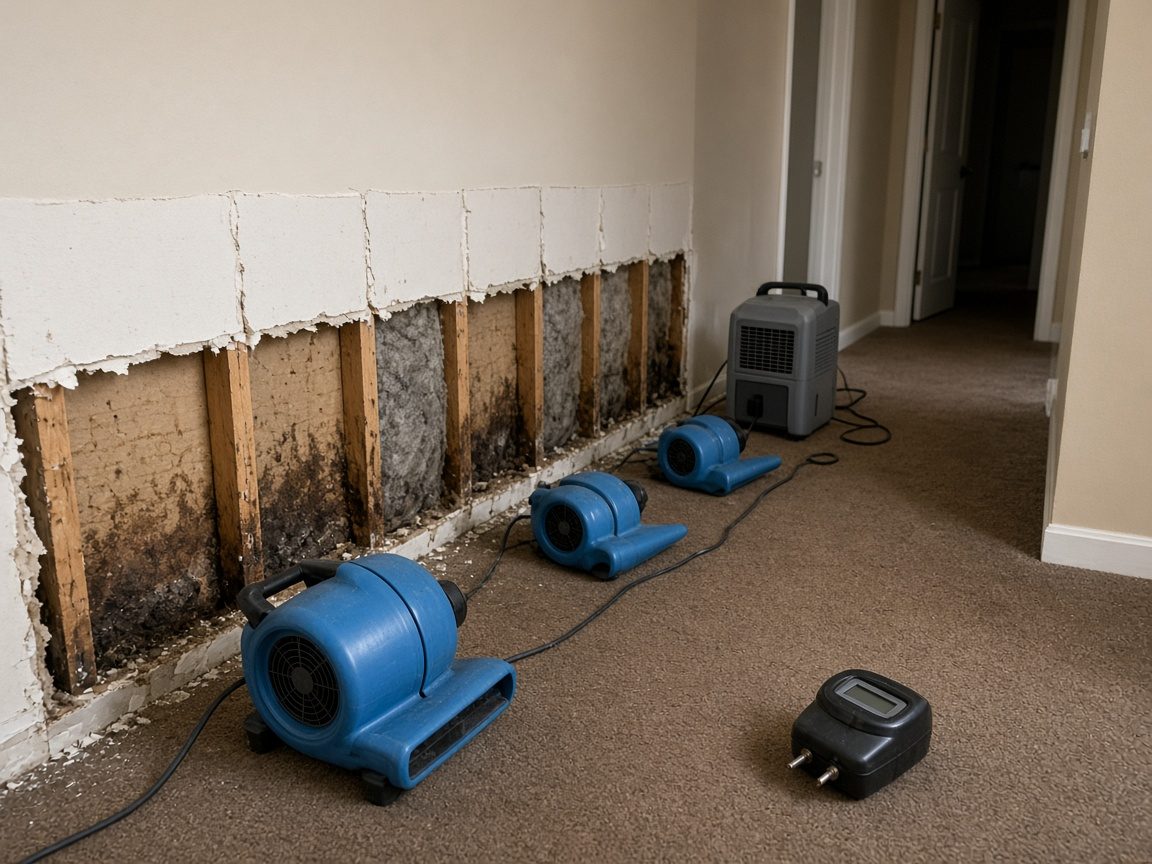
A local pro typically discusses continuing or recurring water entry. Cleanup is not presented as a replacement for repairing the underlying problem.
A local pro typically asks which items matter most to you. Handling and disposal decisions should be understood before work proceeds.
A local pro typically discusses the actual walls, floors, and built-ins involved. A local pro does not assume every basement is an open concrete room.
Homeowners: describe what you are seeing and get connected with an independent local water damage pro. A quote over the phone is available when the situation allows.

Describe the water source if known, the affected rooms, and whether the space is finished. Mention utilities, stored items, and access restrictions.
A local pro typically reviews accessible areas and discusses removal conditions, cleaning needs, belongings, and any specialist concerns before settling the scope.
A local pro typically explains included work, exclusions, and proposed material handling. Additional work is discussed when conditions require a change.
A local pro typically explains the completed cleanup and identifies outstanding source repairs, drying requirements, or rebuilding decisions so you know the next step.