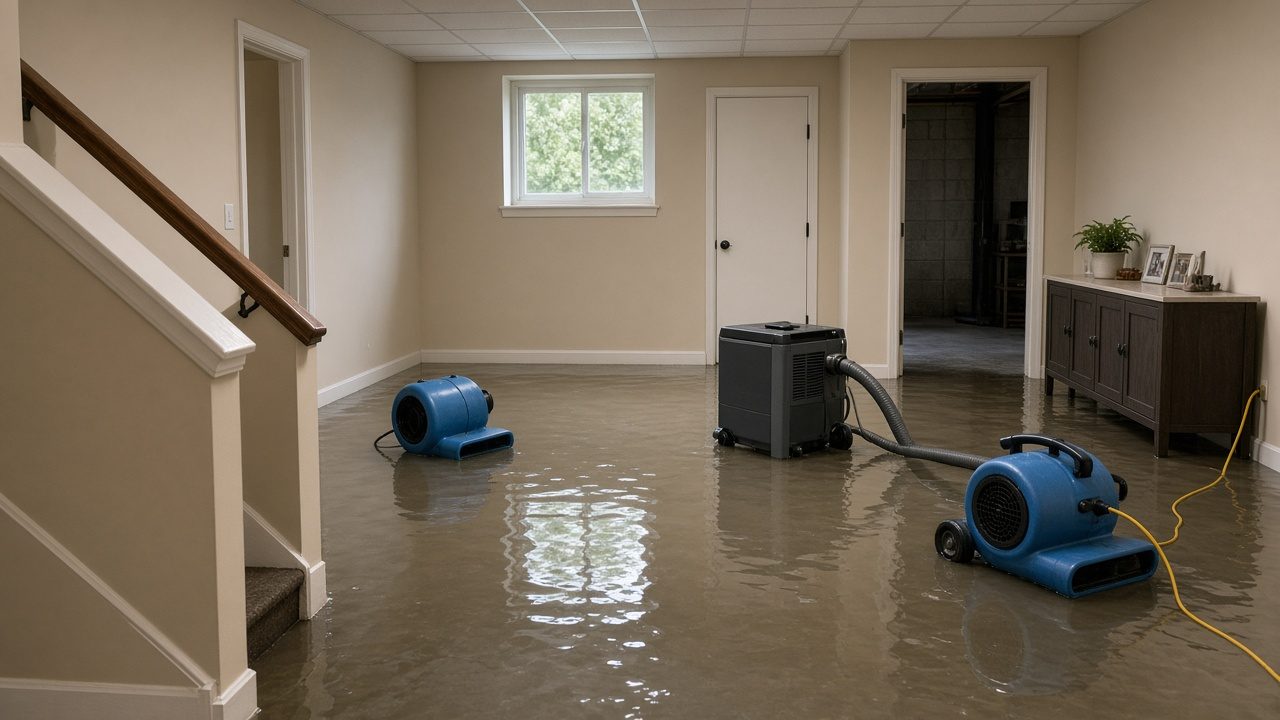
Water cleanup after an incident
Fire Sprinkler and Firefighting Water Cleanup in Hagerstown
Discuss the water damage once access is permitted. Call (844) 212-8840
Water cleanup after an incident
Discuss the water damage once access is permitted. Call (844) 212-8840
Do not reenter a fire-damaged property until the fire department says it is safe. Do not restore disconnected utilities yourself; follow the instructions of the responsible authorities and utility professionals. Once access is permitted, a local pro can discuss the water-related cleanup needs separately from the other recovery work.
Tell the pro whether the water came from sprinkler activation, an accidental sprinkler discharge, firefighting, or a combination of events. A local pro typically asks who controls access, whether an investigation is ongoing, and which contractors are already involved. The proposed scope focuses on water cleanup and related drying, not fire-system repairs, fire investigation, or an assurance that the building is ready to reopen.
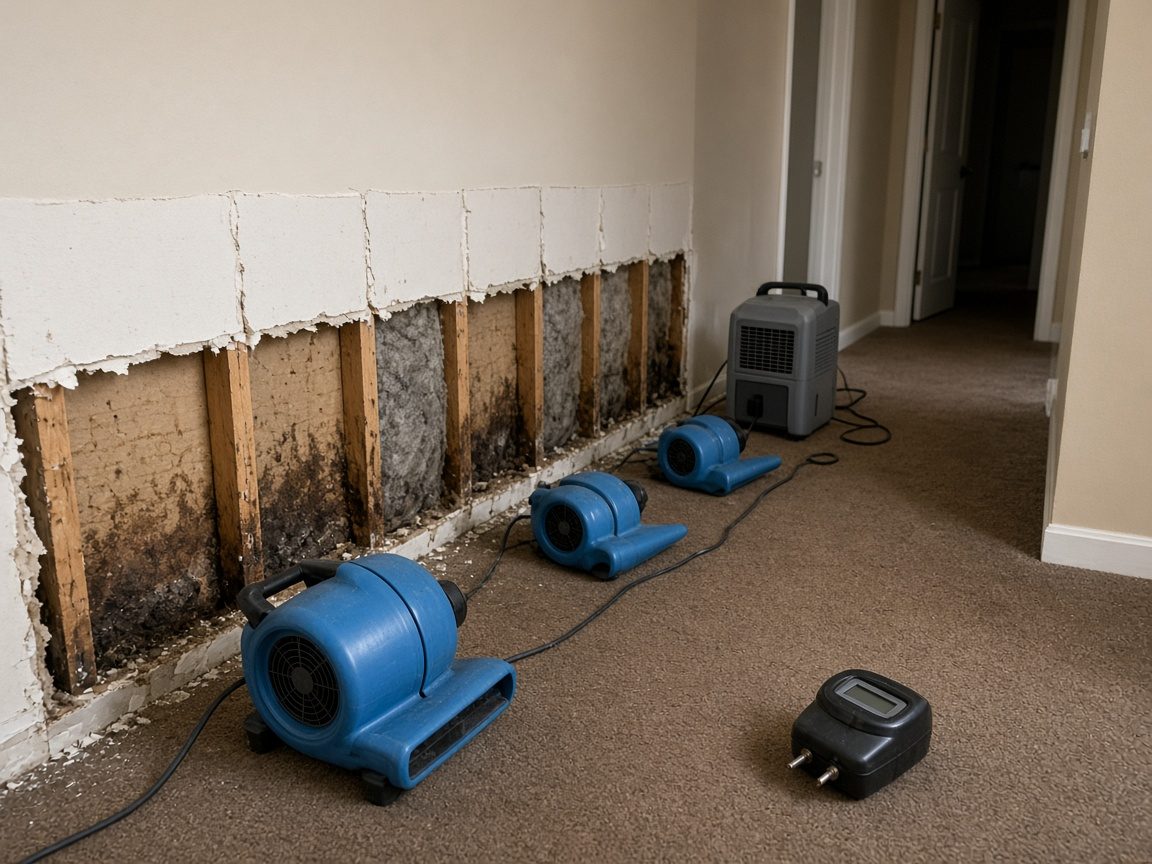
An accidental sprinkler discharge and a fire with smoke, soot, and firefighting water are not treated as identical situations. A local pro typically discusses the known incident conditions before recommending a water-related scope.
A local pro does not instruct occupants to disable or reset a sprinkler system. Questions about system isolation, repairs, restoration of protection, and building access belong with the responsible fire-protection professionals and authorities.
A local pro typically asks which areas were affected, whether discharge has stopped, and who is responsible for the sprinkler system. Tell the pro whether the event involved a fire or a non-fire activation and whether building management has placed restrictions on access. A local pro typically uses that information to discuss the water cleanup assessment without assuming the system or building is ready for normal use. The proposed work identifies affected rooms and accessible materials, equipment routes, and any necessary coordination with other contractors. Sprinkler inspection, repair, and return to service remain outside the water cleanup scope unless a separately qualified provider has been engaged. A local pro typically makes that boundary clear so no one mistakes completion of cleanup for restoration of the building's fire protection.
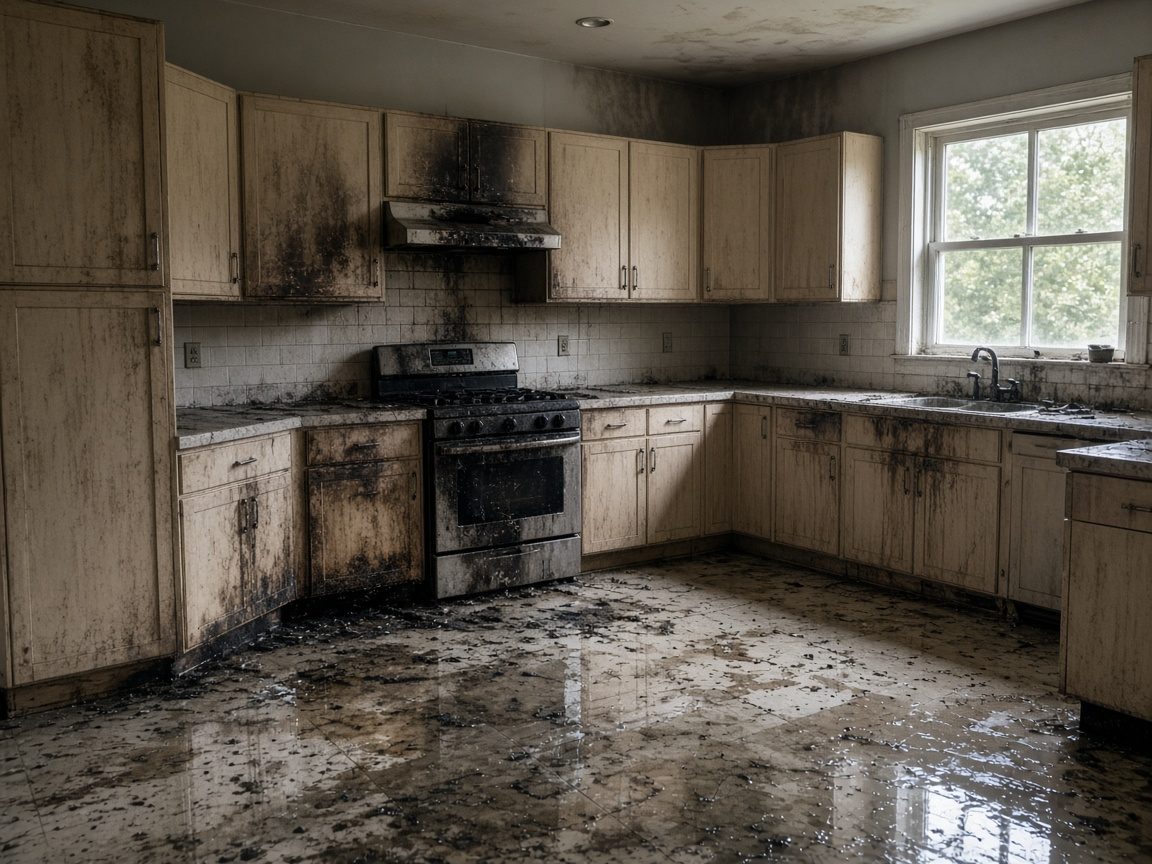
Firefighting water may be present alongside soot, smoke damage, damaged finishes, and other incident debris. The warns that soot and dirty water left after a fire can pose health concerns. A local pro does not approach that combination as an ordinary clean-water spill or recommend that an occupant begin handling affected items without assessment. A local pro typically discusses which parts of the water-related work can be included and where specialist cleaning or other evaluation is needed. The plan should distinguish extraction, material handling, cleaning, drying, and excluded tasks. A local pro does not describe removing water as removing all fire-related contamination, and they do not claim that a dry room is automatically cleared for occupancy.
A local pro typically asks who can authorize access and work, and whether any areas or items must remain undisturbed. A local pro typically respects those stated restrictions when discussing the proposed water cleanup rather than assuming every affected space is available for immediate entry or removal. Tell the pro about important records, equipment, or belongings that require special consideration. A local pro typically discusses what handling and documentation are included, which items need another specialist, and how proposed disposal decisions will be approved. The water cleanup records should describe the observations and work without claiming to determine the cause of the fire or replace an investigator's findings.
Where drying is part of the authorized water cleanup, a local pro typically discusses the included areas, equipment arrangement, monitoring, and access needs. That plan must fit the work that other responsible professionals are carrying out. A local pro typically identifies areas that cannot yet be included rather than presenting partial access as a complete assessment of the affected building. At handoff, a local pro typically explains the water-related work completed and any remaining limitations or recommendations. Smoke restoration, structural repairs, electrical approval, sprinkler reinstatement, and reopening decisions remain separately identified. You should know which contractor or authority is handling each outstanding task. The end of the water cleanup scope is not presented as the end of the entire fire recovery process.
| Service | Estimated Cost | Average |
|---|---|---|
| Water cleanup after non-fire sprinkler discharge | Assessment required | Not published |
| Water cleanup following firefighting | Written project estimate | Not published |
| Multi-area cleanup with access restrictions | Scope-specific estimate | Not published |
No fixed price or verified local average is quoted. The estimate should distinguish water cleanup from smoke restoration, specialist decontamination, fire-system work, and rebuilding. Access restrictions and coordination requirements should be discussed before the scope is authorized.

A local pro typically asks who controls the site and what areas may be entered. Cleanup planning does not override instructions from authorities or investigators.
A local pro typically explains which cleanup and drying tasks are proposed. Fire-system work and other specialist responsibilities stay separate.
A local pro typically identifies completed work and outstanding tasks. Water cleanup completion is not presented as permission to occupy or reopen the property.
Homeowners: describe what you are seeing and get connected with an independent local water damage pro. A quote over the phone is available when the situation allows.
Tell the pro which authority or responsible party controls entry and whether any areas or contents must remain undisturbed.
Explain whether the loss involved sprinkler discharge, firefighting, smoke, or other known concerns. A local pro typically discusses the assessment appropriate to those conditions.
A local pro typically identifies the proposed water-related tasks, exclusions, equipment access, and approval points while keeping other contractors' responsibilities clear.
A local pro typically explains the water cleanup handoff and outstanding limitations. Fire protection, utilities, repairs, and occupancy decisions remain with the responsible professionals.